Missing customer calls while you work? Here is what to do
Missing calls while serving customers? Learn how a short reply, a clear callback list and simple booking links can help without replacing your team.
A customer calls while you are with someone else. You cannot answer, then the next job begins and the number disappears down your call list. Start with a simple process: acknowledge the call, collect what the customer needs and give one person responsibility for replying.
You do not need an AI voice answering every call to begin. A short message and a reliable callback list may be enough. A virtual receptionist can be added when you know which questions it should handle.
First, find out what happens to missed calls
Look at a few recent working days. Note when calls were missed, which numbers called repeatedly and who called them back. Count callers rather than ring attempts so the same person is not counted several times. Keep business records inside the tools your team is allowed to use.
Choose one problem to fix. If calls are missed during appointments, acknowledge them. If the queue is the problem, make a callback list with an owner. If people only want to book, offer the booking page you already use.
A simple setup, step by step
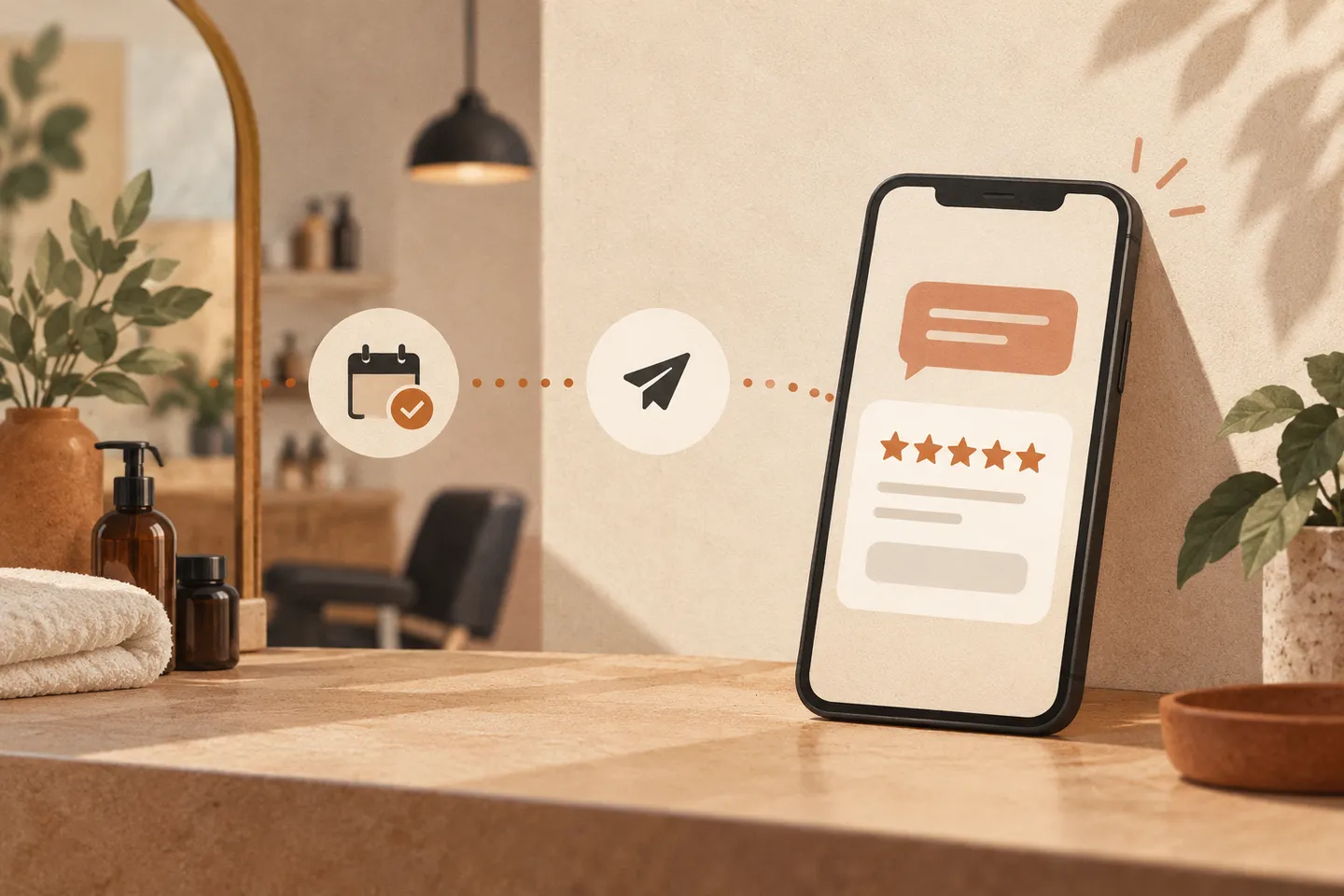
- Your phone system records a missed call. First check that it can share this event with another tool.
- The setup checks whether someone has already answered or replied. This avoids duplicate messages.
- If the number can receive texts and the customer can be contacted on that channel, send one short acknowledgement.
- Add the request to a list showing the caller, time, reason if known and person responsible.
- Stop further reminders when someone replies or the call is returned. A reply should reach a person, not a forgotten inbox.
Example message
This is an example to adapt to your opening hours and message provider:
Hello, this is [business]. Sorry we missed your call. You can reply with a good time for us to call back, or book here: [link]. Please do not include sensitive details.
If you use texts, make sure people can stop messages and that your team knows what happens when they do. Providers may have their own sender and opt-out requirements; check the message provider’s instructions.
Decide what happens in each case
| Situation | What the setup should do |
|---|---|
| Number cannot receive texts | Keep the caller on the callback list |
| Same person calls again | Update the existing request |
| Customer asks a question | Pass it to the right person |
| Business is closed | State your actual reply hours |
| Message fails | Flag it for a callback |
For a clinic, keep treatment questions and urgent situations with staff. A callback message should not promise urgent help or ask for medical details.
Test before customers use it
Try a missed call, an answered call, a repeated call, an unsupported number and an out-of-hours call. Check that the right person sees each request and can mark it finished. Do not promise a callback time your team cannot meet.
Track missed callers, returned calls and requests still waiting. Compare the same opening hours each week. These checks show whether the process is working without claiming every missed call would have become a customer.
Where to start
Ask your phone provider whether your current number can report missed calls and support replies. Bring that answer and a sample of your callback process to the first conversation. We can help connect the tools you already use.