How to reply to customer enquiries sooner
Reply to customer enquiries sooner with a clear acknowledgement, a named owner and follow-up rules. A practical guide for car dealers and garages.
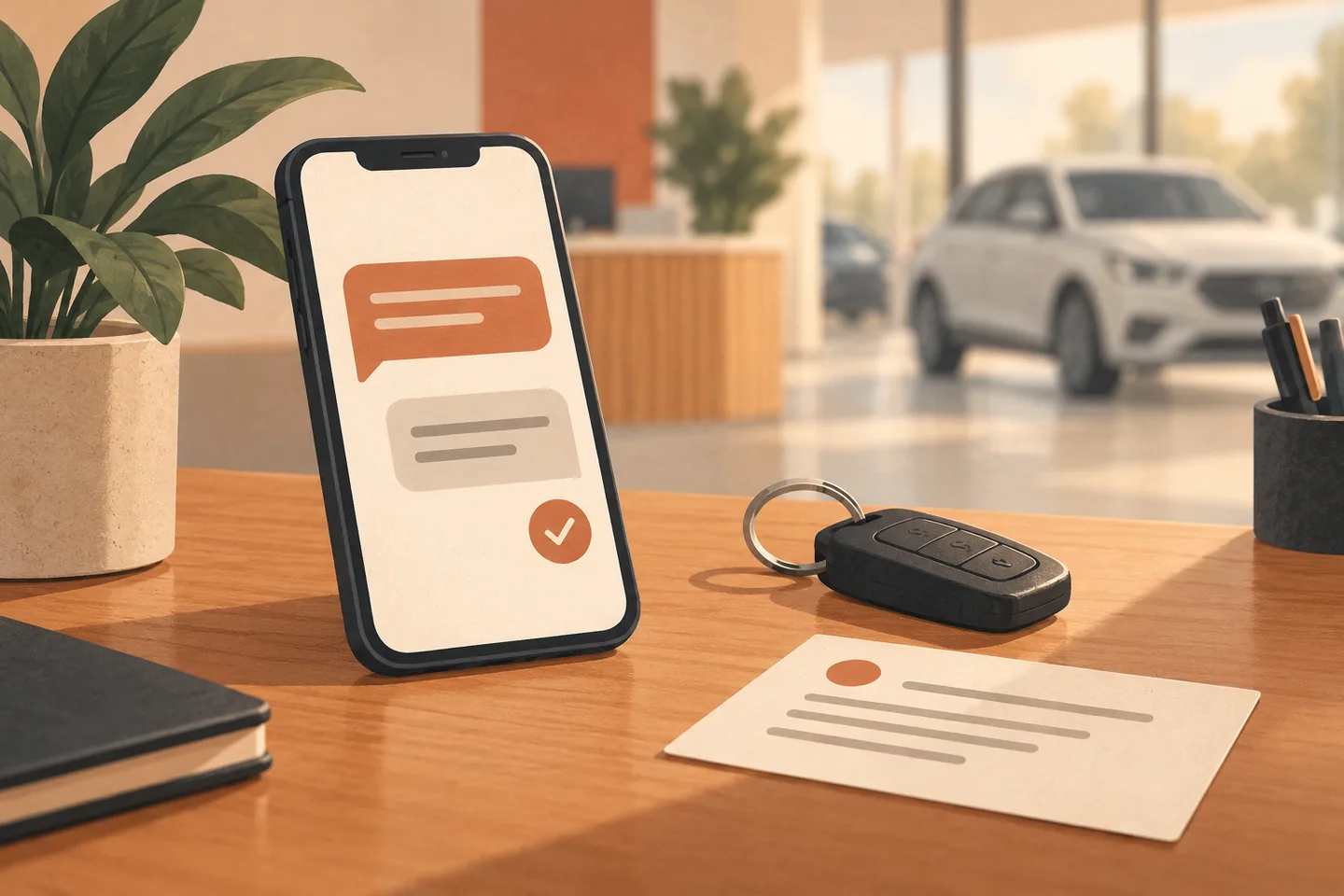
A customer asks whether a car is still available while your team is showing another vehicle. The message sits in an inbox until someone remembers to check it. To reply to customer enquiries sooner, start with a useful acknowledgement, give the question to one person and track it until that person answers.
The same approach works for a garage receiving service requests or a small business handling website messages. Automation can organise the handover. A person still needs to check availability, understand the request and make any commitments.
Why is answering enquiries worth organising?
A message can arrive through a website form, a shared email address or an individual colleague. When nobody owns the next step, everyone can assume someone else has replied. Meanwhile, the customer has no way to tell whether their question reached you.
A clear process reduces the work of searching inboxes, forwarding messages and asking colleagues for updates. It also makes unanswered questions visible before the customer has to chase. A quick receipt is useful, but it does not count as an answer to the question.
How to reply to customer enquiries with a clear handover
- Collect the request. Start with one source, such as your website enquiry form. Record the message, contact details, vehicle reference if supplied and arrival time in a shared enquiry list.
- Check for duplicates. Use the original message or form submission identifier to avoid creating a second task when the same event is delivered again. Do not merge different questions just because the email address matches.
- Acknowledge receipt. Send an approved message that explains the next step. Use different wording outside opening hours, and promise a reply time only if someone can meet it.
- Assign one owner. Route vehicle questions to sales and service requests to the workshop contact. Give each owner a backup for days off.
- Make waiting visible. If the team’s agreed response window passes, notify the owner or backup internally. Do not keep sending the customer receipts while the real answer is missing.
- Record the outcome. Mark the enquiry answered, waiting for the customer, booked or closed. Any customer reply or staff takeover should pause scheduled customer follow-ups until someone reviews the conversation.
A shared inbox or customer contact tool may already support parts of this. A connector tool such as n8n or Make can join systems where the relevant integrations are available. Check what your existing tools support before adding another subscription.
What should the first message say?
Here is a fictional example to adapt to your opening hours:
Hello [name], thanks for asking about [vehicle reference]. Your enquiry has reached our sales team. We will check availability and reply during our next opening hours: [hours]. If you would prefer a call, reply with a suitable time. Thank you, [business].
Only include the vehicle reference if it came from a reliable field. If it is missing, use a general acknowledgement and let the assigned person clarify it. Do not say a vehicle is available or a test drive is confirmed unless the relevant system or a colleague has checked it.
What should you prepare?
Choose the inbox or form to start with, the person responsible and the place where the team will see open requests. Write one acknowledgement for opening hours and another for evenings or weekends. Decide what happens when the usual owner is away or a delivery fails.
Use a small set of statuses everyone understands. Agree what “answered” means: a useful response to the customer’s question, rather than an automated receipt. If enquiries also arrive by phone, the guide to handling missed customer calls covers that separate starting point.
Mistakes to avoid
Keep the acknowledgement about the question the customer sent. Do not automatically add that person to unrelated sales campaigns. Collect only the details needed to handle the request, explain their use and limit access to the people who need it. The European Data Protection Board’s small-business guide explains the underlying data-protection principles; check the requirements for your particular setup.
Avoid guessing stock, appointment availability or financing terms from old notes. If you use AI to suggest a reply, have a person review it before sending during the initial rollout. Keep unusual requests and complaints with a named colleague.
How do you test it before switching it on?
Try a normal enquiry, a weekend message, a duplicate submission, missing vehicle details, a failed email and a reply that arrives just before a scheduled follow-up. Check that the backup receives overdue tasks and that a customer who has already replied receives no unnecessary chase.
Review the time to the first useful answer, unanswered requests and duplicate messages. Separate automatic acknowledgements from human answers in your reporting so a fast receipt cannot hide a slow response.
Where should you start?
Choose one enquiry source and follow a few requests from arrival to answer. Fix the point where responsibility becomes unclear, then test the acknowledgement and handover with your team. We can help set this up around your existing tools through our enquiry follow-up service for car dealers and garages.